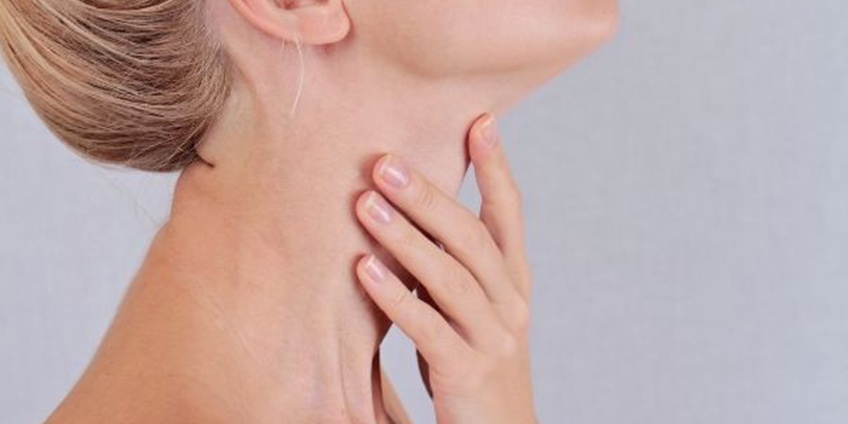
Thyroid problems can start at any age—but the likelihood increases in certain life stages and risk groups.
A helpful way to think about it is this: thyroid issues don’t have a single “starting age,” but there are common windows when they’re more likely to show up, especially for women.
Thyroid Problems Can Happen At Any Age
Thyroid conditions occur across the lifespan, including during reproductive years. In population data, a substantial portion of women with hypothyroidism fall in adult age ranges well before 60. PMC+1
But Risk Often Increases With Age—Especially After 60
Hypothyroidism becomes more common with age and is particularly frequent in older adults. The American Thyroid Association notes it’s very common in people over 60 and increases steadily with age. American Thyroid Association
Clinical resources also identify women age 60+ as a higher-risk group for thyroid dysfunction. NCBI+1
Common “Thyroid Windows” For Women
Reproductive Years And Midlife
Many women first notice thyroid-related symptoms in adulthood (fatigue, brain fog, mood shifts, weight changes), and thyroid patterns can overlap with perimenopause/menopause symptoms—making it easy to miss if you’re only looking at one system at a time. NIDDK+1
Postpartum (Within A Year After Pregnancy)
Some women develop postpartum thyroiditis—thyroid inflammation that occurs within the first year after delivery (and can also follow miscarriage/abortion). Symptoms may show up months after birth, and it can include a temporary hyperthyroid phase, a hypothyroid phase, or both. Johns Hopkins Medicine+2American Thyroid Association+2
Later Adulthood
Rates of thyroid dysfunction rise with age, and thyroid symptoms can be subtle or mistaken for “normal aging,” which is one reason thyroid issues can go undetected in older adults. American Thyroid Association+1
Who Is More Likely To Develop Hypothyroidism?
You may be at higher risk if you:
- Are female (women are more likely than men to develop hypothyroidism) NIDDK
- Are over age 60 NIDDK+1
- Have a personal or family history of thyroid disease or autoimmune conditions NCBI+1
- Are postpartum or recently pregnant (postpartum thyroiditis risk window) Johns Hopkins Medicine+1
Symptoms That Can Suggest A Thyroid Issue
Thyroid symptoms can overlap with many other common patterns (stress physiology, sleep disruption, perimenopause, insulin resistance), so symptoms alone aren’t diagnostic. But it’s worth checking in if you notice persistent patterns like:
- Fatigue that doesn’t match your lifestyle
- Brain fog or low mood
- Unexplained weight change
- Constipation or dry skin
- Feeling unusually cold (or sometimes heat intolerance/palpitations with hyperthyroid patterns)
- Hair thinning
- Menstrual cycle changes (heavier, irregular, or more symptomatic cycles)
What Testing Is Typically Used?
A common starting point is TSH, often with Free T4 (and sometimes additional labs depending on symptoms and history). The American Thyroid Association outlines common thyroid function tests and how they’re used. NIDDK+1
If there’s concern for autoimmune thyroid disease, clinicians may include thyroid antibodies and other labs based on the clinical picture. American Thyroid Association+1
How Peace And Calm Health Functional Medicine Can Help
At Peace and Calm Health Functional Medicine in Lakewood, CO, we take an integrative approach—meaning we don’t assume “it’s just hormones” or “it’s just stress.” If you’re wondering whether thyroid patterns are contributing to fatigue, weight changes, mood shifts, or sleep disruption, we can help you:
- Connect your symptoms with your timeline (midlife, postpartum, chronic stress seasons)
- Evaluate thyroid patterns with comprehensive thyroid testing when appropriate, such as TSH, Free T4, Free T3, Reverse T3, and thyroid antibodies (not treating a single number in isolation)
- Look at overlapping drivers like insulin/metabolic patterns, nutrient status, gut health, and stress physiology
- Build a practical, personalized plan based on your goals and physiology
To explore next steps, book a Clarity Call here:
https://www.drjenniferhorton.com/work-with-me
You can learn more about wellness programs here:
https://www.drjenniferhorton.com/wellness-programs
Science Section (Selected References)
- NIDDK: Hypothyroidism (Who Is More Likely—Including Women And People Over 60)
- American Thyroid Association: Thyroid Disease In Older Patients (Hypothyroidism Common Over 60 And Increases With Age)
- Endotext (NCBI Bookshelf): Hypothyroidism In Older Adults (High-Risk Groups Include Women 60+)
- Postpartum Thyroiditis Overview (Johns Hopkins Medicine)
This content is for educational purposes and does not substitute personalized medical advice.