

Preconception & Fertility Support
Difficulty conceiving is more common than many realize — and it’s often influenced by how hormones, metabolism, stress, sleep, nutrition, and inflammation are functioning together. At Peace & Calm Health, we focus on optimizing the systems that support healthy ovulation, hormone signaling, and cycle regulation so your body is in the strongest possible position for conception and a healthy pregnancy.
When Fertility Challenges Don’t Have Clear Answers
If you’ve been trying to conceive and routine testing hasn’t identified a clear structural issue, you may have been told you have “unexplained infertility.”
In many cases, this simply means that standard testing hasn’t fully evaluated how ovulation quality, hormone signaling, metabolic health, thyroid function, stress physiology, inflammation, or nutrient status may be influencing fertility.
Factors such as blood sugar regulation, thyroid balance, gut health, sleep patterns, stress load, past infections, and inflammatory conditions like PCOS or endometriosis can all affect cycle regularity and ovulation — even when imaging and basic labs appear normal.
Our goal is not to label or blame, but to look more closely at how your body is functioning as a whole.
The Conventional Approach — and Where It Can Fall Short
Conventional fertility care plays an important role and can be highly effective, particularly when structural or severe hormonal issues are present.
However, these approaches often focus on stimulating ovulation or bypassing physiologic barriers without fully addressing why ovulation quality, hormone signaling, or cycle regulation may be impaired in the first place.
When underlying contributors such as insulin resistance, thyroid imbalance, chronic stress, inflammation, nutrient deficiencies, or environmental exposures are not addressed, treatment may move forward without optimizing the body’s foundational readiness for pregnancy.
Functional and integrative care can help fill this gap — either before fertility treatments begin or alongside them.
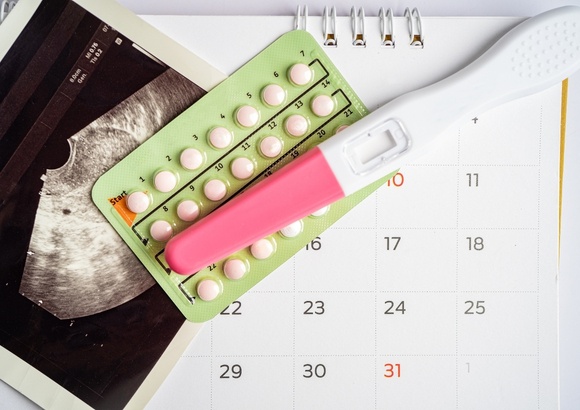
A Functional & Integrative Approach to Fertility
At Peace & Calm Health, we approach fertility through a whole-body, systems-based lens.
Rather than focusing on hormones alone, we evaluate how ovulation, cycle health, thyroid function, insulin balance, gut health, inflammation, detox pathways, stress physiology, sleep, and nutrition are working together.
Using the Peace & Calm Method™, we identify areas that may benefit from targeted support — whether that’s improving metabolic flexibility, restoring nutrient status, supporting gut and liver function, or reducing physiologic stress.
When hormone support is appropriate, we use evidence-informed, carefully monitored strategies and collaborate closely with your OB-GYN or fertility specialist to ensure safety — especially when pregnancy is a goal.
This approach supports not only fertility, but long-term health for both parent and baby.
Safety
A functional and integrative plan looks at the full picture — cycle patterns and ovulation quality, thyroid and insulin balance, stress and sleep, gut health, nutrient status, movement, and environmental exposures that can influence fertility.
Safety always comes first. Do not stop prescribed medications on your own, including thyroid, steroid, psychiatric, diabetes, or blood pressure medications.
Seek urgent medical care for severe pelvic or abdominal pain, fever, heavy bleeding, or pregnancy-related symptoms such as sharp one-sided pain or fainting (possible ectopic pregnancy).
If you are pursuing fertility treatments such as IVF or IUI, we collaborate with your OB-GYN or reproductive endocrinologist so lifestyle, functional, and medical care work together safely and effectively.
Frequently Asked Questions
It means that routine testing didn’t identify a single clear cause. Often, there are several contributing factors—such as ovulation quality, thyroid or insulin balance, stress physiology, sleep patterns, gut health, or environmental exposures—that together affect fertility. Our approach is to look at these factors thoughtfully and address them step by step.
Yes. Male factors contribute to fertility challenges in a significant number of cases. When appropriate, we encourage simple evaluations—such as semen analysis, lifestyle review, and nutrient status—while supporting both partners as part of the overall fertility picture.
Egg quantity and quality do change with age, but age is only one part of the fertility picture. Health habits and targeted care can still meaningfully support fertility—sometimes naturally, and other times alongside fertility treatments.
Very often. Blood sugar regulation and chronic stress can significantly influence ovulation and hormone signaling. Supporting stable meals, sleep, and stress resilience is often one of the most effective foundational steps in fertility care.
Not always. Many people conceive with cycle awareness, thyroid or insulin support, targeted nutrients, and improvements in sleep and stress patterns. When hormone support is appropriate, we consider evidence-informed options and monitor closely to ensure safety.
Some people notice improvements in cycle patterns within 1–3 cycles. Deeper shifts in hormone balance, metabolism, and nutrient status often take 8–12 weeks. We adjust care over time based on both symptoms and lab trends.
Yes. We often collaborate with your OB-GYN or reproductive endocrinologist to ensure that functional, lifestyle, and medical approaches are aligned and supportive of your fertility goals.
Ready To Feel
Clear, Supported, And Like Yourself Again?
Your next step is simple.
A warm, pressure-free conversation where we explore your symptoms, goals, and determine whether one of our programs is the right fit for you.